
Inside EGGER Rădăuți: where our boards are made
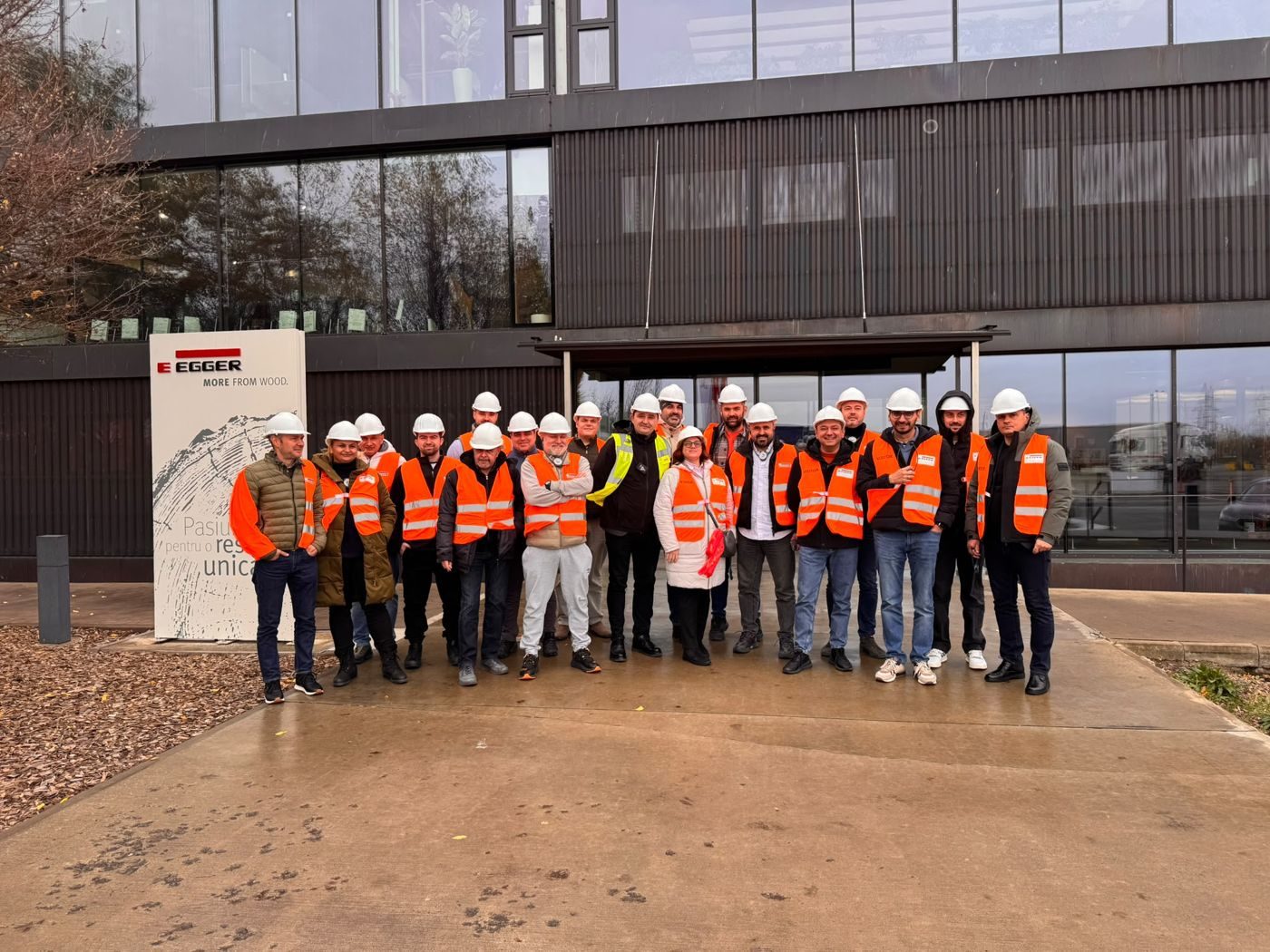
We followed chipboard from wood to melamine board at the EGGER plant in Rădăuți, with a close look at quality control.
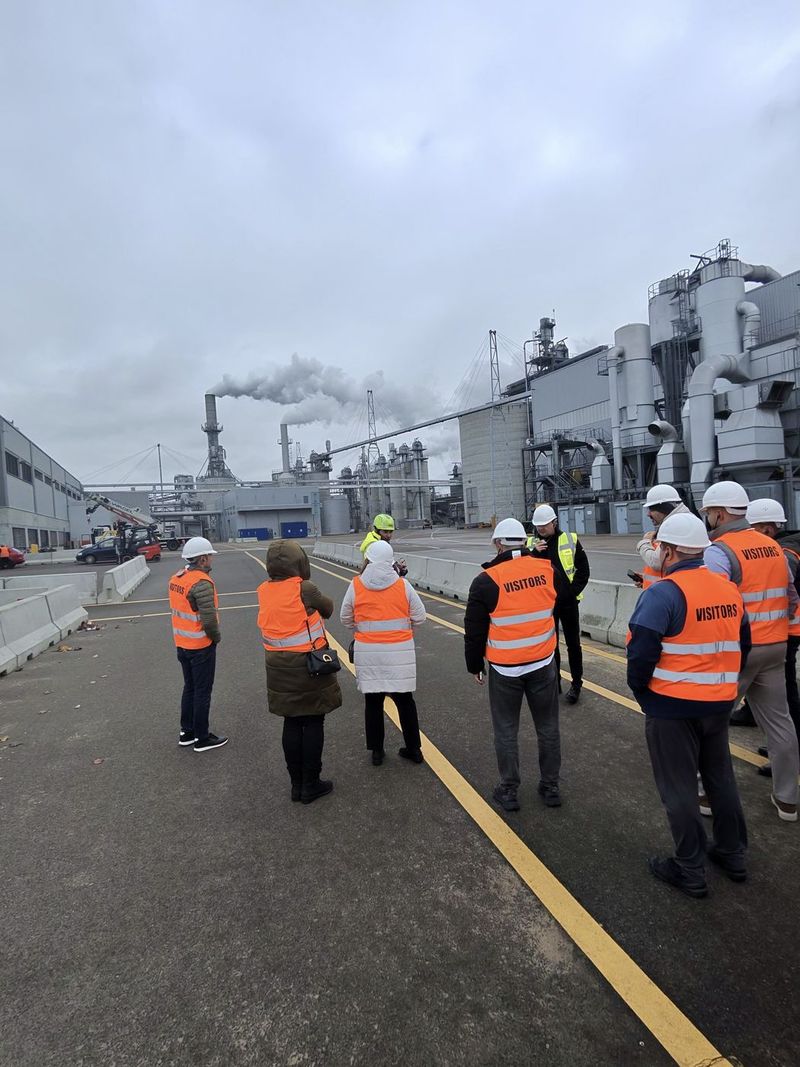
On 6 November 2026 we were invited by EGGER Group to visit its plant in Rădăuți, Suceava County, together with other guests. We work with boards every day in our Bucharest workshop. This time we wanted to see where they start.
One of Romania’s largest greenfield plants
EGGER opened a sales office in Romania in 2004 and started building the Rădăuți plant from scratch in 2006. The first chipboard came off the line in 2007, followed by OSB in 2011 and a biomass power plant in 2013. According to EGGER, more than 600 million euro have been invested in Rădăuți, and the plant employs over 920 people, more than 95% of them from Suceava County.
The plant makes raw and melamine-faced chipboard for the furniture industry and OSB for timber construction. Its products reach more than 50 countries.
From wood to chipboard, step by step
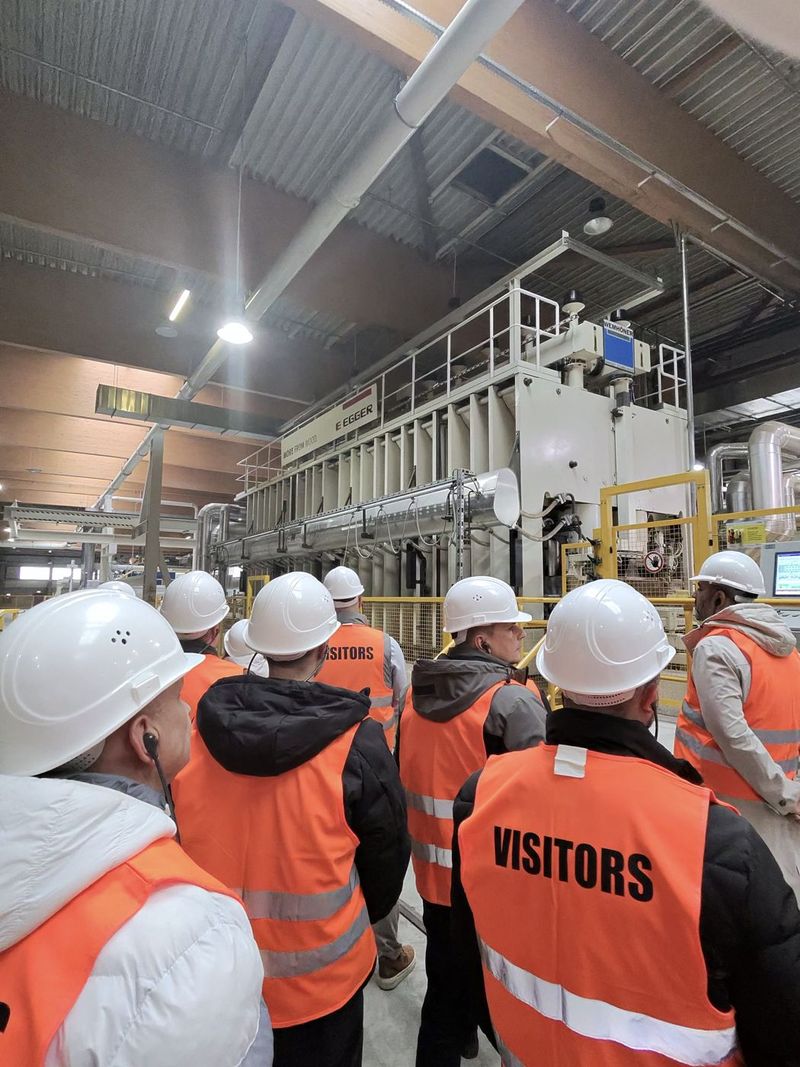
The visit started with a presentation and a safety briefing, then helmets and visitor vests on. We followed the process in the same order as the wood:
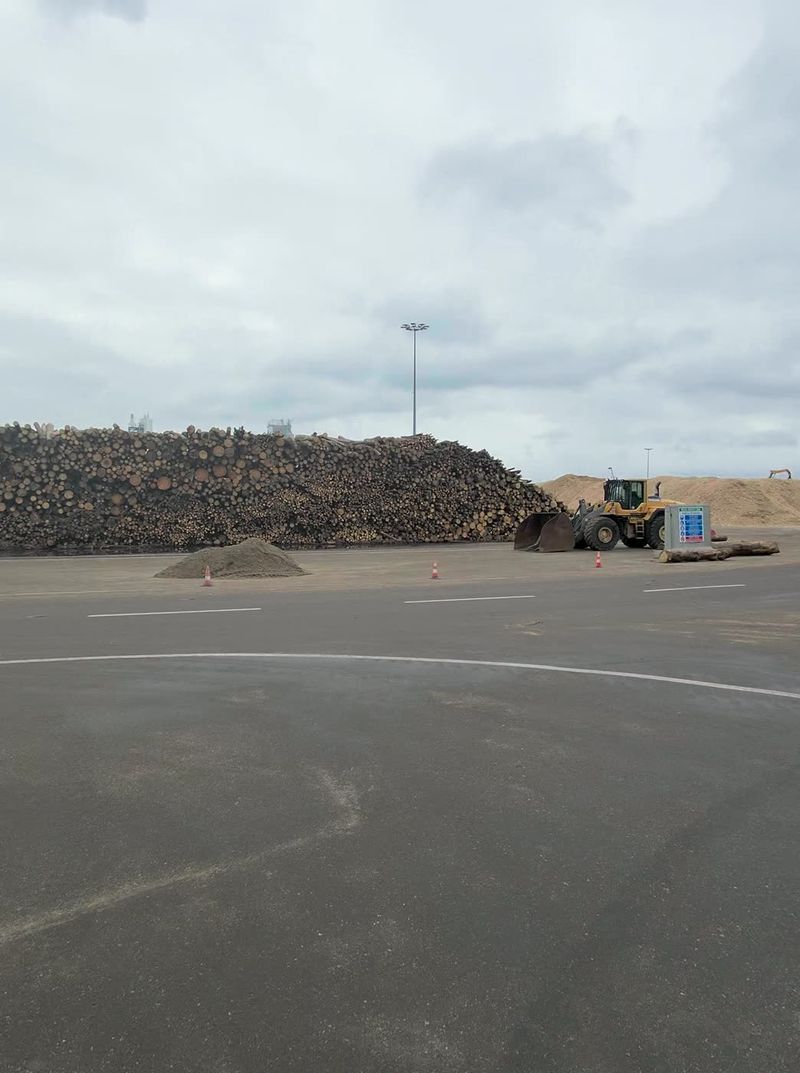
1. Raw material. Logs and recycled wood arrive in the yard. EGGER says over 88% of the wood it uses comes from recycling and from wood-industry by-products, and that recycled wood is inspected again before it goes into production.
2. Chips. The wood is turned into chips, then dried and sorted.
3. Gluing. In the adhesive kitchen, the glue for the chips is prepared. EGGER makes its own adhesives on site.
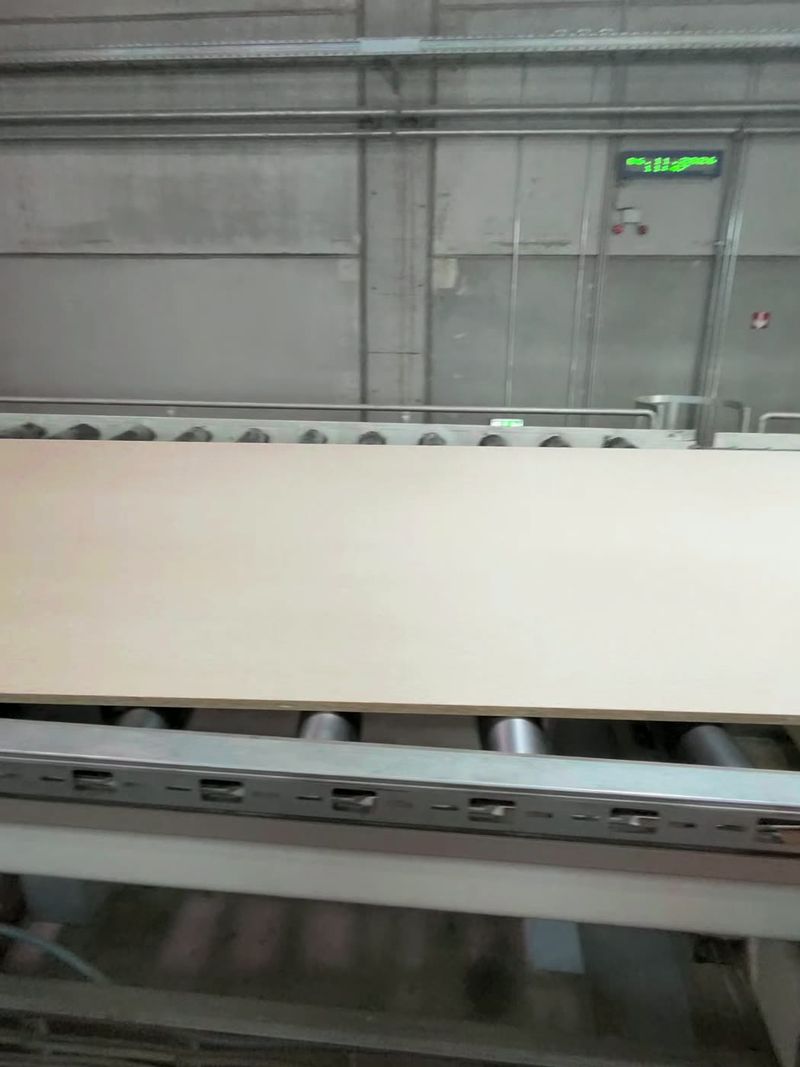
4. Forming and pressing. The glued chips are spread into an even mat and pressed with heat into board.
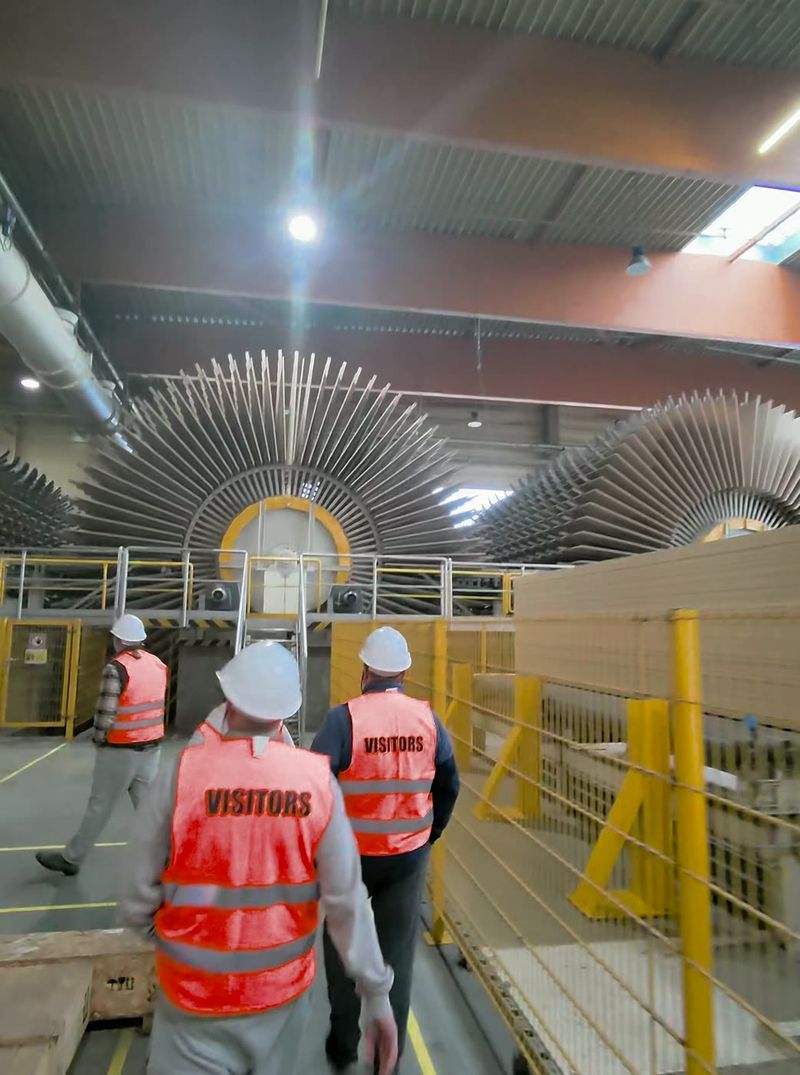
5. Cooling. Fresh boards turn slowly in the star cooler before they are stacked.
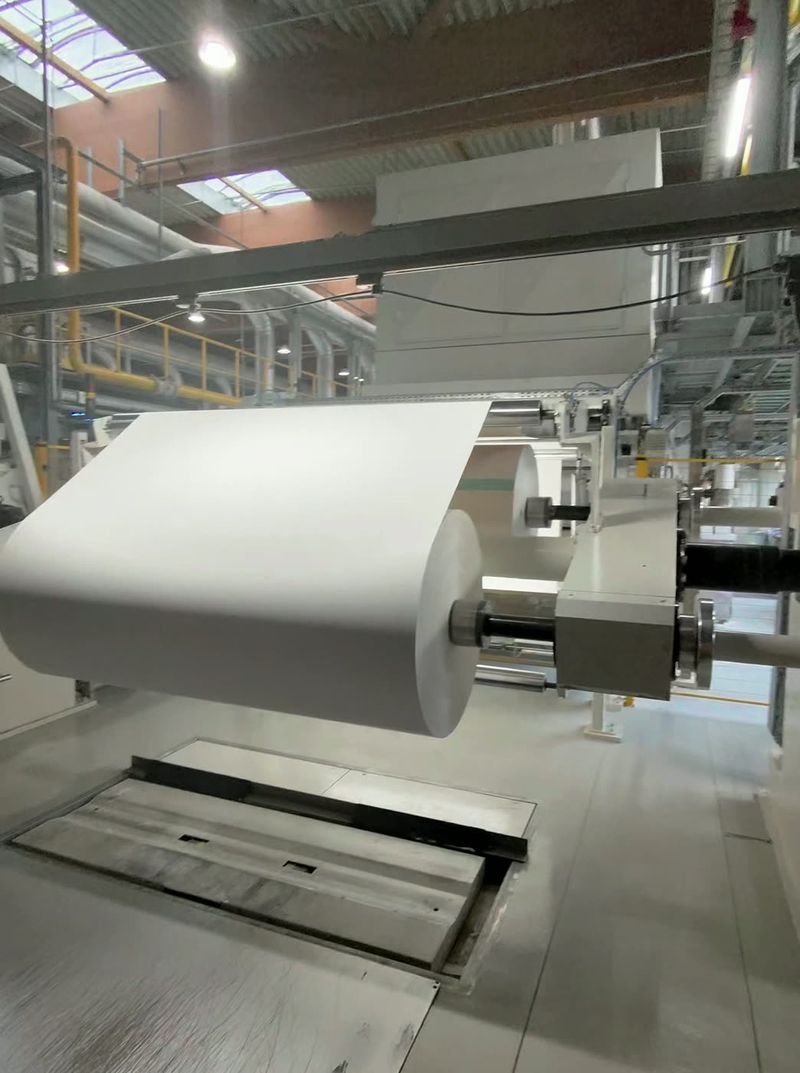
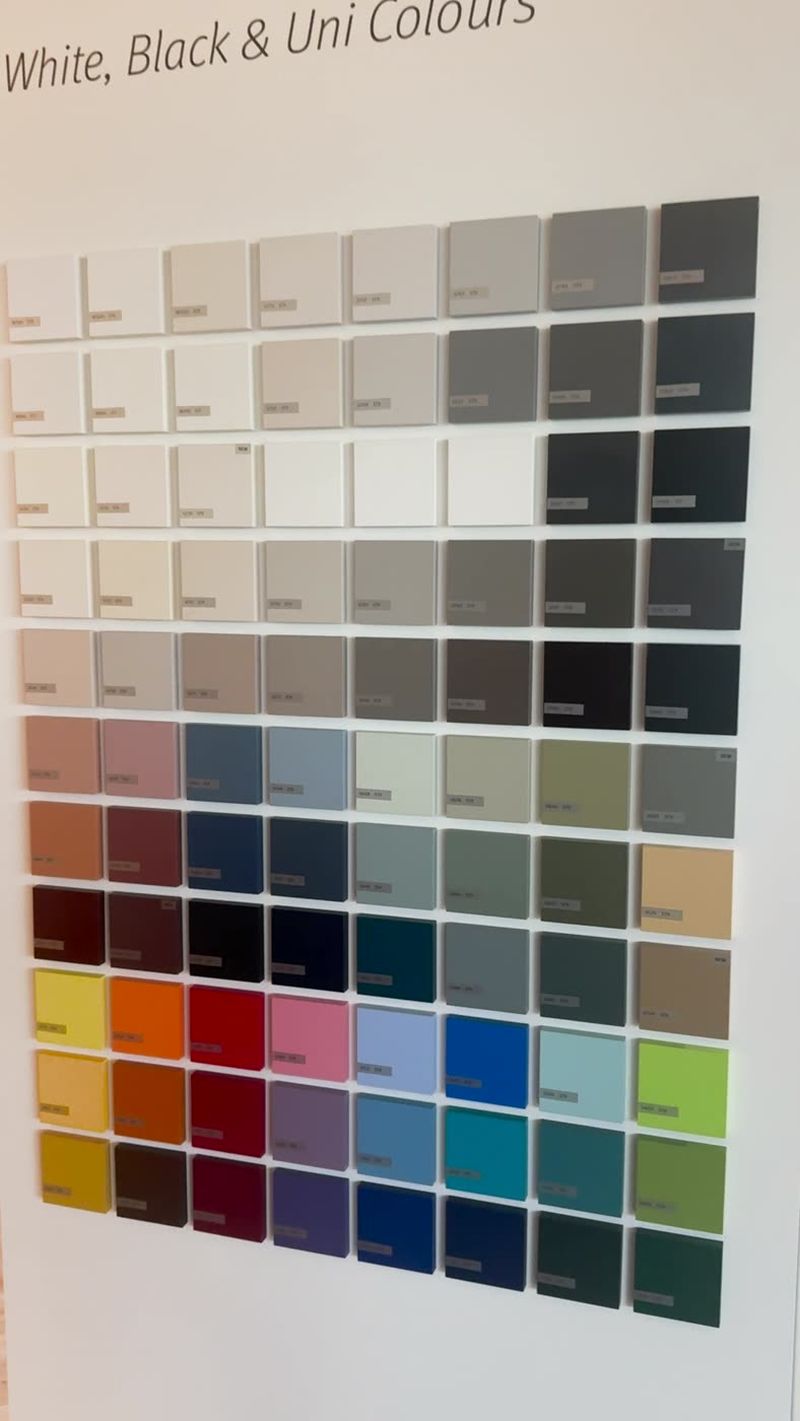
6. Melamine. Decor paper is impregnated with resin, then pressed onto the chipboard. That is the surface you touch on a finished cabinet.
Quality control at every step
What we noticed most was the control. The line is watched from a control room, and the plant is certified to ISO 9001 for quality management and ISO 14001 for environmental management. For us, this matters directly: a cabinet is only as good as the board it is made from.
Wood that does not go to waste
EGGER collects waste wood through its own Timberpak recycling network, which passed 1 million tonnes in 2025. Wood that can no longer be recycled is used for energy in the biomass plant. In 2025, 51.43% of the site’s energy needs were covered from renewable sources. EGGER also states that 100% of the chipboard and OSB made in Rădăuți is recyclable.
What this means for our projects
We use EGGER boards in our projects, for example the Egger H3395 Corbridge Oak fronts in the Laguna showroom. After this visit we can explain to our clients, with more confidence, where the board in their kitchen or wardrobe comes from and how it is checked.
Thank you to the EGGER team for the invitation.
Figures: EGGER press releases and Sustainability Report; Hotnews, Bursa, Profit.ro, ZF.
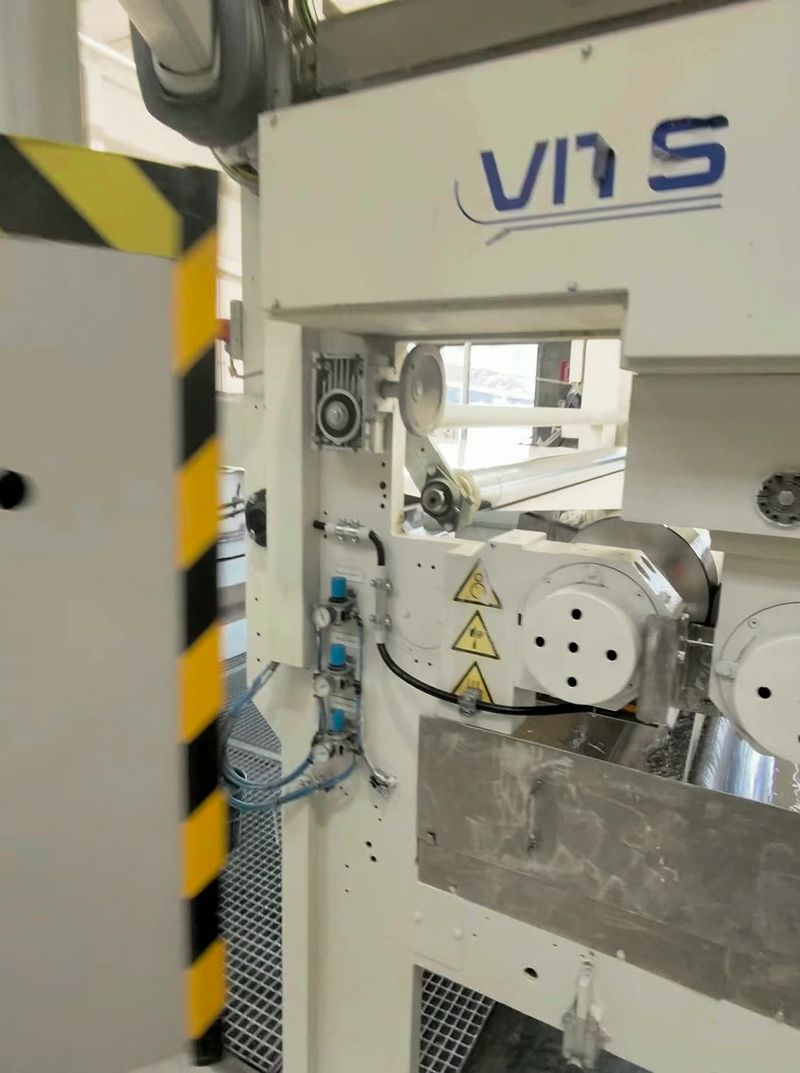
From wood to melamine board
The whole process in one minute, filmed during our visit: raw wood, chips, gluing, pressing, quality control and melamine.
Got a tricky corner? Send it to us.
Send us your measurements or a few photos of the room, and we’ll come back with a proposal.